
The Iguana's Blog
Planning autism‑friendly travel? Discover the top 10 family vacations for autistic children, with sensory‑friendly destinations, calm activities, and practical planning tips.

Planning a family vacation with an autistic child can feel overwhelming—but with the right destination, travel can be joyful, enriching, and genuinely relaxing for everyone. The key is choosing places that prioritize sensory friendly experiences, routine flexibility, and inclusive accommodations.
This guide highlights the top 10 family vacations for autistic children, focusing on destinations that are known for calm environments, thoughtful accessibility, and family centered planning.
What Makes a Vacation Autism Friendly?
Before diving in, here are common features families look for when planning autism friendly travel:
• Predictable routines and clear schedules
• Quiet spaces and low sensory environments
• Flexible accommodations and dining options
• Staff trained in inclusivity and accessibility
• Activities that allow self paced participation
Every autistic child is different, so the “best” vacation is one that fits your family’s needs.
1. Disney World (Certified Autism Inclusive Experiences)
Disney is widely recognized for its structured planning tools, ride accessibility options, and sensory guides. Families can prepare in advance, build predictable schedules, and take advantage of quiet break areas throughout the parks.
Why families love it:
Clear routines, advance planning, and inclusive guest services.
2. Beaches with Calm, Predictable Environments
Quiet beach destinations—especially those with private resorts or less crowded shorelines—can be ideal for autistic children who enjoy repetitive, calming activities like sand play and water exploration.
Why it works:
Natural sensory input, flexible pacing, and open space.
3. All Inclusive Family Resorts
All inclusive resorts reduce uncertainty by keeping meals, activities, and lodging in one place. This predictability can significantly reduce anxiety for children who thrive on routine.
Why families choose them:
Fewer transitions, consistent schedules, and built in downtime.
4. National Parks & Nature Based Vacations
National parks offer wide open spaces, minimal noise, and opportunities for self guided exploration. Many parks provide accessibility maps and visitor guides to help families plan ahead.
Why it’s autism friendly:
Low sensory overload and freedom to explore at your own pace.
5. Cruises with Structured Programming
Cruises can work well for some autistic children due to their structured daily schedules, familiar cabin environment, and predictable meal times. Many cruise lines now offer sensory friendly programming.
Why it helps:
One unpacking point and consistent daily routines.
6. Vacation Rentals Instead of Hotels
Staying in a vacation rental allows families to maintain familiar routines, prepare preferred foods, and control sensory input like lighting and noise.
Why it matters:
Comfort, flexibility, and a home like environment.
7. Theme Parks with Sensory Planning Tools
Beyond Disney, several theme parks provide ride intensity guides, quiet rooms, and accessibility services that help families plan visits that match their child’s comfort level.
Why families appreciate this:
Transparency and advance preparation reduce stress.
8. Train Based Travel Destinations
Train travel can be calmer and more predictable than flying, with less noise, fewer transitions, and more freedom of movement.
Why it’s helpful:
Reduced sensory stress and smoother transitions.
9. Educational Travel (Museums, Science Centers, Zoos)
Many museums and zoos now offer sensory friendly hours, visual guides, and quieter experiences designed for neurodivergent visitors.
Why it’s a win:
Learning without pressure, at a self directed pace.
10. Staycations and Nearby Getaways
Sometimes the best vacation is close to home. Short travel times reduce anxiety while still offering a change of scenery and special family time.
Why it works:
Familiarity plus novelty—without overwhelm.
Tips for Planning a Successful Autism Friendly Vacation
• Involve your child in planning when possible
• Use visual schedules and social stories
• Build in rest days and flexible plans
• Contact accommodations ahead of time with specific needs
• Prioritize comfort over “doing everything”
Final Thoughts
Family vacations for autistic children don’t need to be stressful or limiting. With thoughtful planning and the right destination, travel can be empowering, calming, and deeply memorable.
The best autism friendly vacation is one that honors your child’s needs—while still creating joyful moments for the whole family.
Contact Us
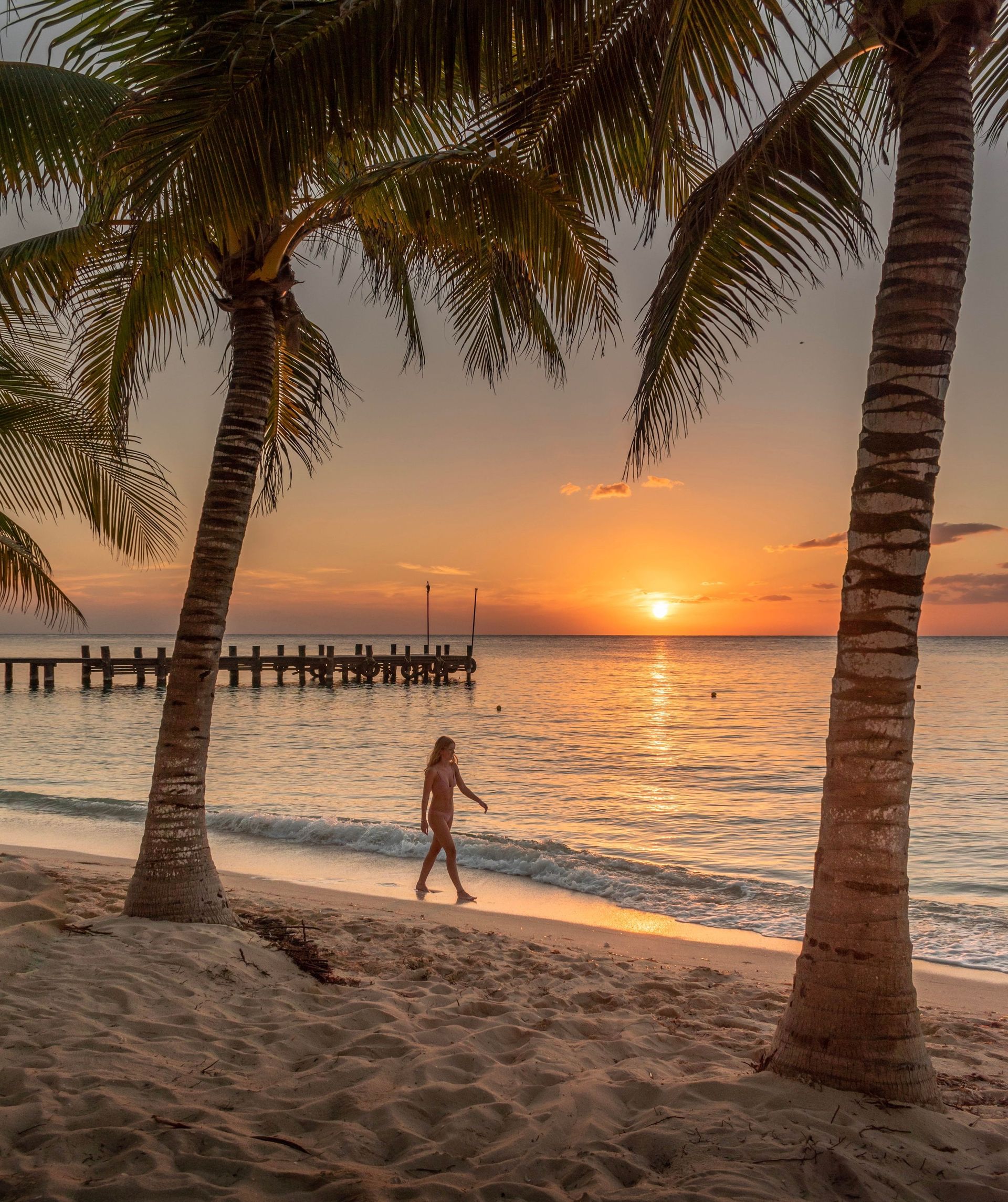
Discover the best all-inclusive Mexico resorts for families, couples, luxury travelers, and beach lovers.
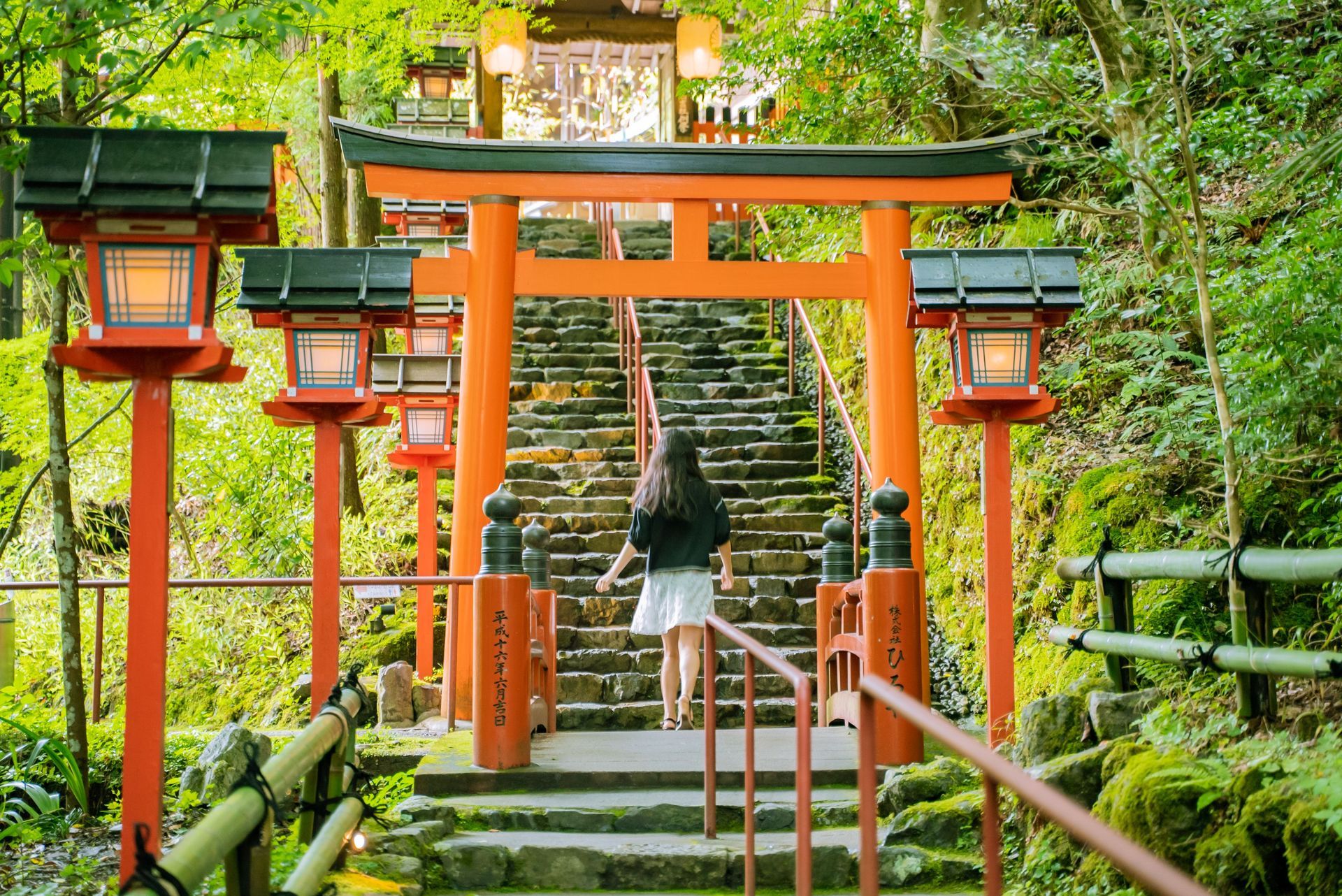
Plan the perfect Japan vacation with this 10-day itinerary featuring Tokyo, Kyoto, Osaka, culture, food, and must-see attractions.

Learn how to find cheap flights to Europe with smart booking strategies, flexible dates, and insider travel hacks.

Discover the best Labor Day destinations for a long weekend, from beach towns to mountain retreats and vibrant city escapes.

Discover the best international fall destinations, including Kyoto, Tuscany, Bavaria, Banff, and France's Loire Valley for autumn travel.
Make the most of late summer with outdoor adventures like hiking, kayaking, camping, cycling, wildlife watching, and scenic getaways.

Discover why late summer shoulder season travel offers fewer crowds, better prices, warm weather, and unforgettable destinations.

Explore the best August and September festivals, from food and music events to cultural celebrations and local fairs.

Plan the perfect late-summer road trip with scenic routes, coastal drives, mountain escapes, national parks, and small-town stops.

Discover underrated beach destinations for late summer travel, from quiet coastlines to peaceful island escapes before the season ends.