The Iguana's Blog
How to Plan an Autism-Friendly Vacation: A Step-by-Step Guide - Part 1

Planning a family vacation should be exciting. But if you're the parent of an autistic child, the thought of travel can feel overwhelming, maybe even paralyzing. You're juggling sensory sensitivities, routine changes, unfamiliar environments, and the very real worry that something will go wrong. You might be asking yourself: Will my child have a meltdown at the airport? Can we find a hotel that won't trigger sensory overload? How do I manage the transition from home to somewhere completely new?
Here's what I want you to know: a meaningful, enjoyable vacation for your autistic child is absolutely possible. It takes intentional planning, the right support, and a shift in how you approach travel, but thousands of families are doing this successfully every year.
This guide walks you through the exact steps I recommend to my clients, from choosing a destination to managing the first day away from home. By the end of this three part series, you'll have a clear roadmap and the confidence to plan a vacation that works for YOUR family.
Why Autism-Friendly Vacation Planning Is Different
Before we dive into the steps, let's acknowledge why standard vacation planning advice doesn't cut it for autistic children. Your child may experience the world differently than neurotypical travelers:
· Sensory input can feel intense or distressing (bright lights, loud crowds, unexpected textures, strong smells)
· Routine disruption can trigger anxiety or behavioral challenges
· Unpredictability is stressful, not knowing what comes next creates real distress
· Overstimulation builds throughout the day, sometimes leading to shutdowns or meltdowns that aren't about behavior, but about nervous system overloads.
The good news? When you plan with these realities in mind, you're not limiting your vacation, you're setting your family up for success.
Step 1: Choose Your Destination Strategically
Your destination choice matters more than you might think. You're not looking for the flashiest resort or the most Instagram-worthy experience. You're looking for a place that aligns with your child's sensory profile and needs.
Start with these questions:
· Does your child do better with predictable, quieter environments or moderate activity?
· Are there specific sensory triggers to avoid? (For example: very crowded places, loud venues, strong chlorine smells)
· Does your child have specific interests that would make the trip more engaging? (Animals, water, art, nature, specific themes)
· How far are you comfortable traveling, and how long is your child comfortable being away from home?
Consider these destination types:
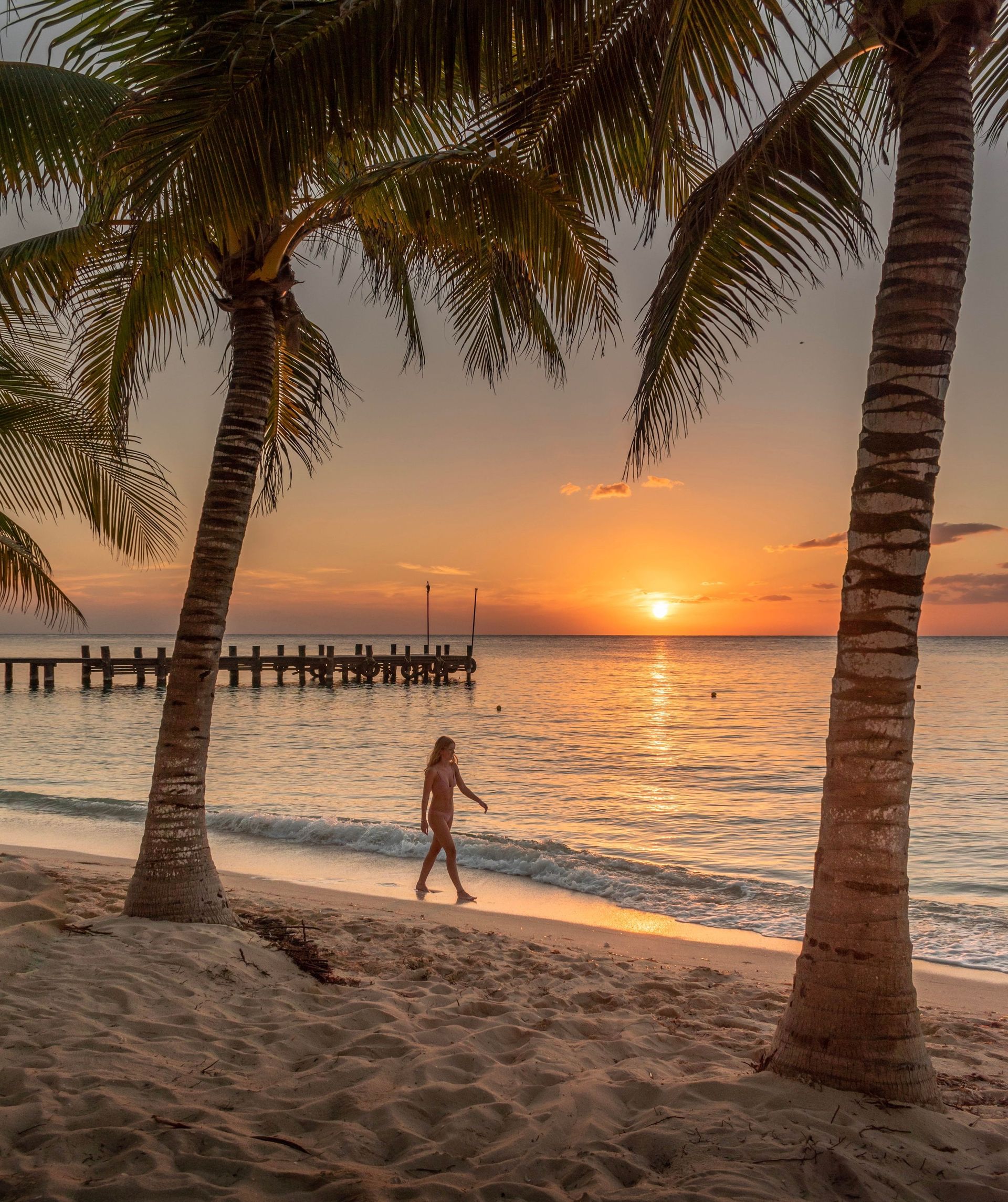
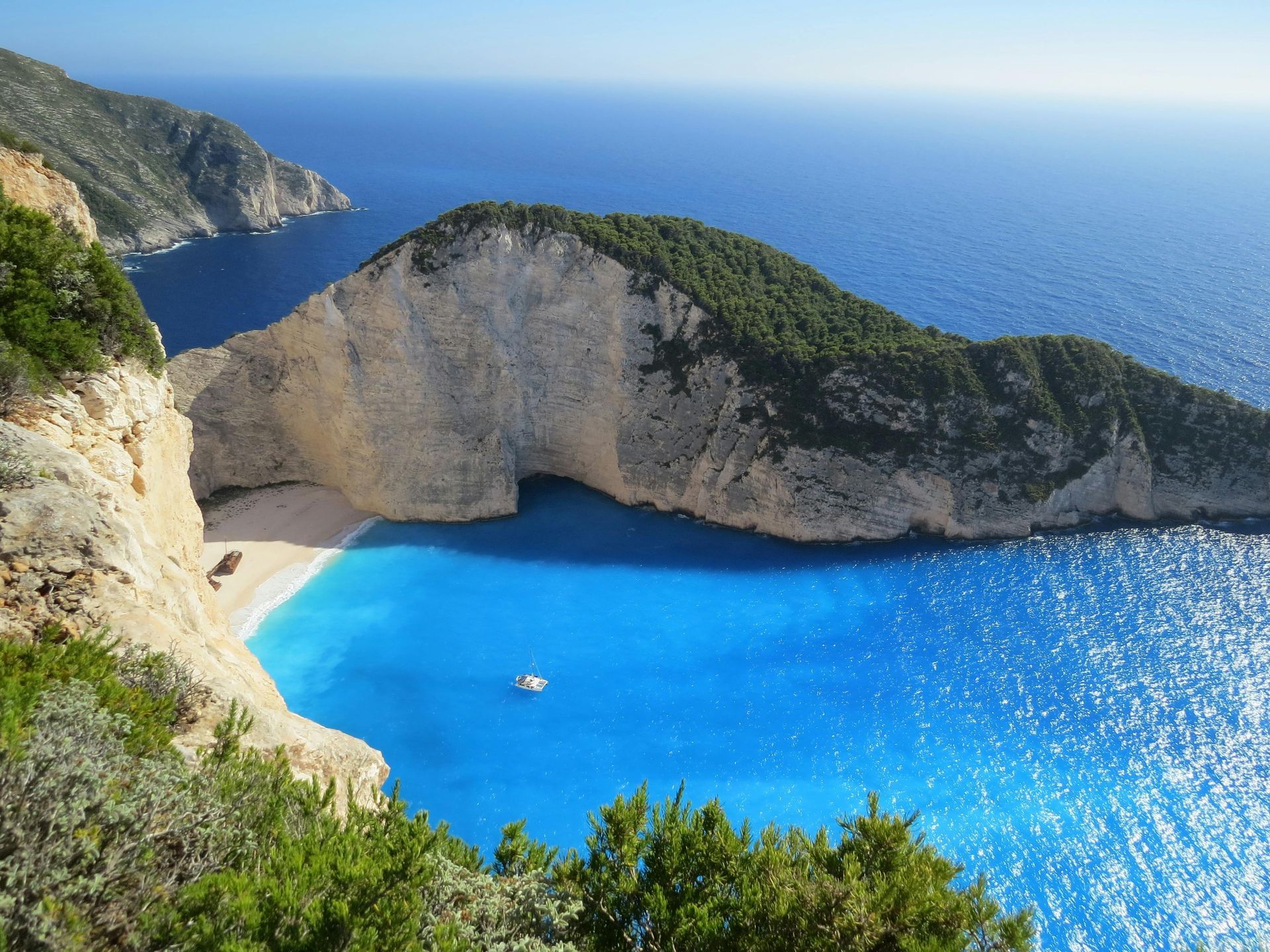
Beach or lakeside retreats work well for many autistic children because they offer:
· Predictable, repetitive sensory input (waves, sand texture)
· Lower-pressure activity options (walking, collecting shells, quiet beach time)
· Opportunities to regulate through water play
· Often quieter during off-season travel
Nature-based destinations (national parks, cabins, rural areas) provide:
· Fewer crowds and sensory overstimulation
· Calming natural environments
· Flexible pacing—you control the day's activities
· Lower noise levels
Destination resorts with structured programming can work if:
· They offer quiet spaces and sensory breaks
· Activities are optional, not mandatory
· Staff are trained in autism awareness (look for properties with Buddy Programs or sensory-friendly certifications)
· There are predictable routines built into the day
Avoid (or plan very carefully for):
· Peak season travel at major theme parks
· Extremely crowded urban centers during high-tourism periods
· Destinations with unpredictable weather or limited indoor backup options
· Venues with mandatory group activities or rigid schedules
Step 2: Research Autism-Friendly Accommodations and Services
Not all hotels are created equally when it comes to sensory needs. This is where detailed research—and expert guidance—makes all the difference.
What to look for in accommodations:
· Quiet room locations (away from elevators, ice machines, hallways with foot traffic)
· Blackout curtains or light-control options (bright hotel lighting is a common trigger)
· Accessible quiet spaces within the resort (sensory rooms, quiet lounges, libraries)
· Kitchen facilities or room service options (helpful if your child has limited food preferences or needs consistent meal routines)
· Flexible cancellation policies (life happens, and you need an out if plans need to change)
· Staff trained in autism awareness (this is increasingly common, but worth asking directly)
Autism-certified properties and programs are worth seeking out. Some resorts now offer:
· Sensory-friendly hours at pools or common areas (reduced noise, dimmed lighting, fewer crowds)
· Buddy Programs that provide trained staff to support your child during activities
· Advance visual schedules of the property and activities
· Quiet spaces designed specifically for sensory breaks
Check out the Beaches ASD webpage here: https://www.beaches.com/all-inclusive/autism-friendly/
When you're researching, don't just read the website. Call the property directly and ask specific questions. A good hotel will have honest answers about noise levels, crowd management, and their experience with autistic guests. In the next post, we will look at a pre-arrival communication plan and review a sensory packing list. In the meantime, if you have questions, please drop us a line atinfo@traveliguana.com or use the contact form at the bottom of this page.
Contact Us